- Microvascular free flap reconstruction for complex tissue defects
- Local and regional flaps for soft tissue restoration
- Bone grafting and prosthetic reconstruction for skeletal defects
- Nerve grafting to restore sensory and motor function
- 3D-printed implants for personalized craniofacial reconstruction
- Skin grafting for post-surgical wound coverage and healing
- Lymphedema surgery to improve lymphatic drainage and function
- Composite tissue allotransplantation for extensive defect repair
- Call Us: 9979962669
- Email Us: drrutul.onco@gmail.com
.png)
Reconstructive Surgery: Restoring Function and Aesthetics
Reconstructive surgery plays a vital role in restoring form, function, and aesthetics following trauma, cancer resections, congenital anomalies, or degenerative conditions. Advanced surgical techniques, including microvascular free flaps, local and regional tissue flaps, and prosthetic reconstruction, allow surgeons to repair complex defects with precision. These procedures not only improve physical appearance but also enhance essential functions such as speech, swallowing, and mobility. Multidisciplinary collaboration between surgical oncologists, plastic surgeons, and rehabilitation specialists ensures optimal outcomes tailored to each patient’s needs.
Microvascular and Flap-Based Reconstruction in Modern Surgery
Microvascular free tissue transfer is a groundbreaking advancement in reconstructive surgery, enabling the transplantation of skin, muscle, or bone from one part of the body to another with intact blood supply. This technique is widely used in head and neck cancer reconstructions, limb salvage procedures, and post-mastectomy breast reconstruction. Local and regional flaps, such as the pectoralis major or radial forearm flap, offer viable solutions for covering large defects while maintaining function. The choice of reconstructive method depends on defect location, tissue availability, and patient-specific factors.
Integrating Innovation: 3D Printing and Regenerative Techniques
Recent advancements in 3D printing and regenerative medicine have revolutionized reconstructive surgery. Patient-specific implants, bioengineered tissues, and stem cell-based therapies are expanding possibilities for complex reconstructions. 3D-printed titanium implants are now being used in craniofacial reconstruction, while tissue engineering aims to develop vascularized grafts that integrate seamlessly with native structures. These innovations minimize complications, improve functional outcomes, and accelerate recovery, paving the way for the future of personalized reconstructive surgery.
Types of Reconstructive Oncology Surgery
Restoring Form and Function After Cancer Treatment
.png)
Why Reconstructive Surgeries Are a Must in Oncology
Restoring Function, Aesthetics, and Quality of Life
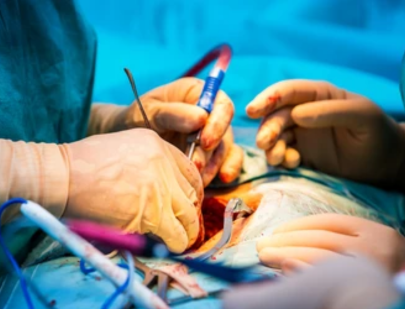
- Preserves essential functions like speech, swallowing, and breathing
- Restores appearance and improves psychological well-being
- Enhances wound healing and reduces post-surgical complications
- Supports better prosthetic fitting for improved mobility
- Prevents long-term disabilities and maintains organ function
- Uses advanced techniques like microvascular free flaps and grafts
- Helps cancer survivors regain confidence and social integration
- Promotes overall recovery and long-term health outcomes
Our Expert Doctors
About Doctor
 (3).png)
Dr. Rutul Patel
Surgical Oncologist
Location & Location Map
 Address :Anamay cancer Hospital, Swastik Cross Rd, opp. Municipal Market, near Hotel President, Navrangpura, Ahmedabad 380009, Gujarat Address :Epic Multispecialty Hospital, Rajpath Rangoli Rd, opposite Pandit Dindayal upadhyay auditorium, Rajiv Nagar, Ashok Vatika, Ahmedabad 380054, Gujarat
Working Hours
MONDAYClosed
TUESDAYClosed
WEDNESDAYClosed
THURSDAYClosed
FRIDAYClosed
SATURDAYClosed
SUNDAYClosed